Be the first to know!
Join our list to be notified of new buildings and other discounts.
(*You can unsubscribe at any time.)
Join our list to be notified of new buildings and other discounts.
(*You can unsubscribe at any time.)
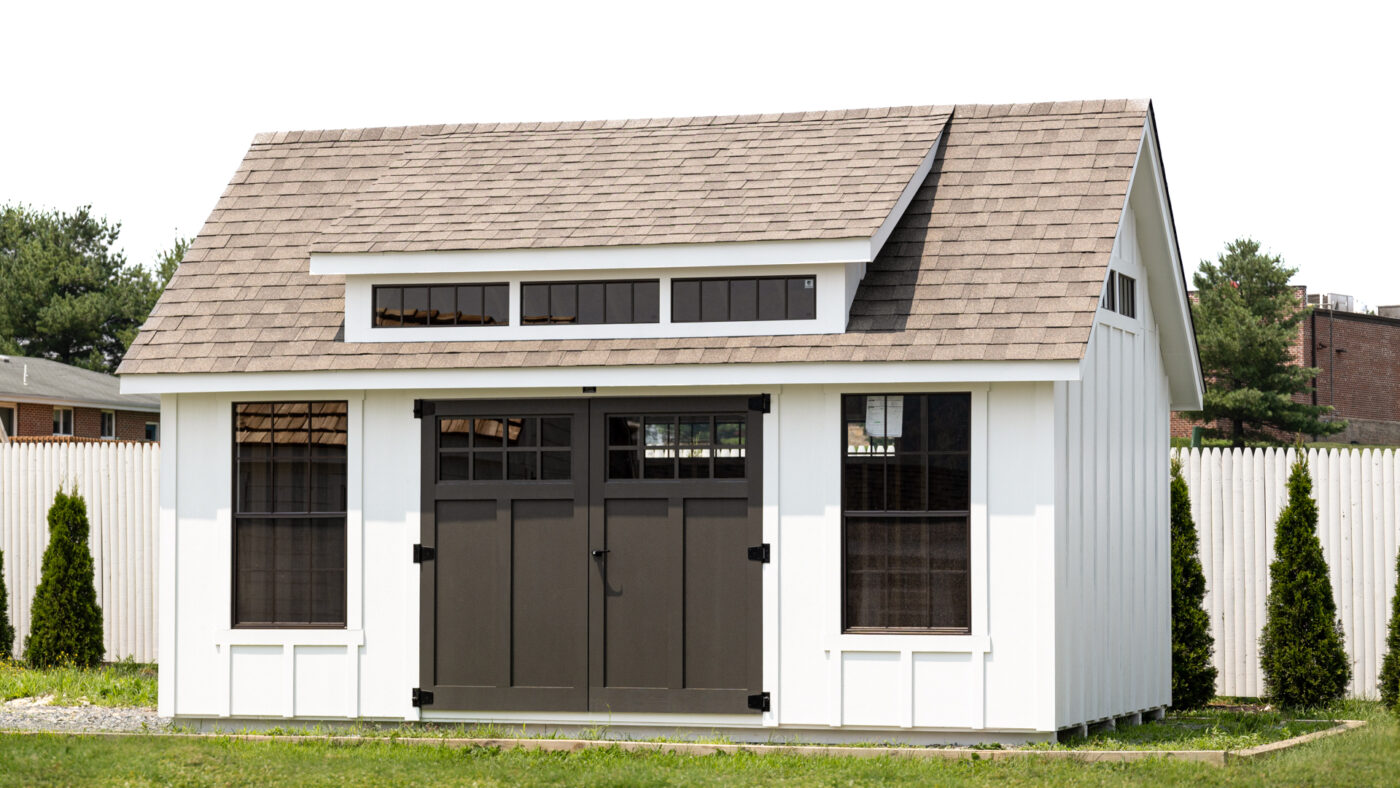
In New York, shed rules aren’t “one-size-fits-all.” A shed that’s permit-free in one town can require paperwork and inspections a few miles down the road. The good news: once you know what local building departments look for in size, placement, foundation, and intended use, figuring out permits gets a lot simpler. This guide walks you through the basics of shed permits across NY so you can plan your build correctly the first time.
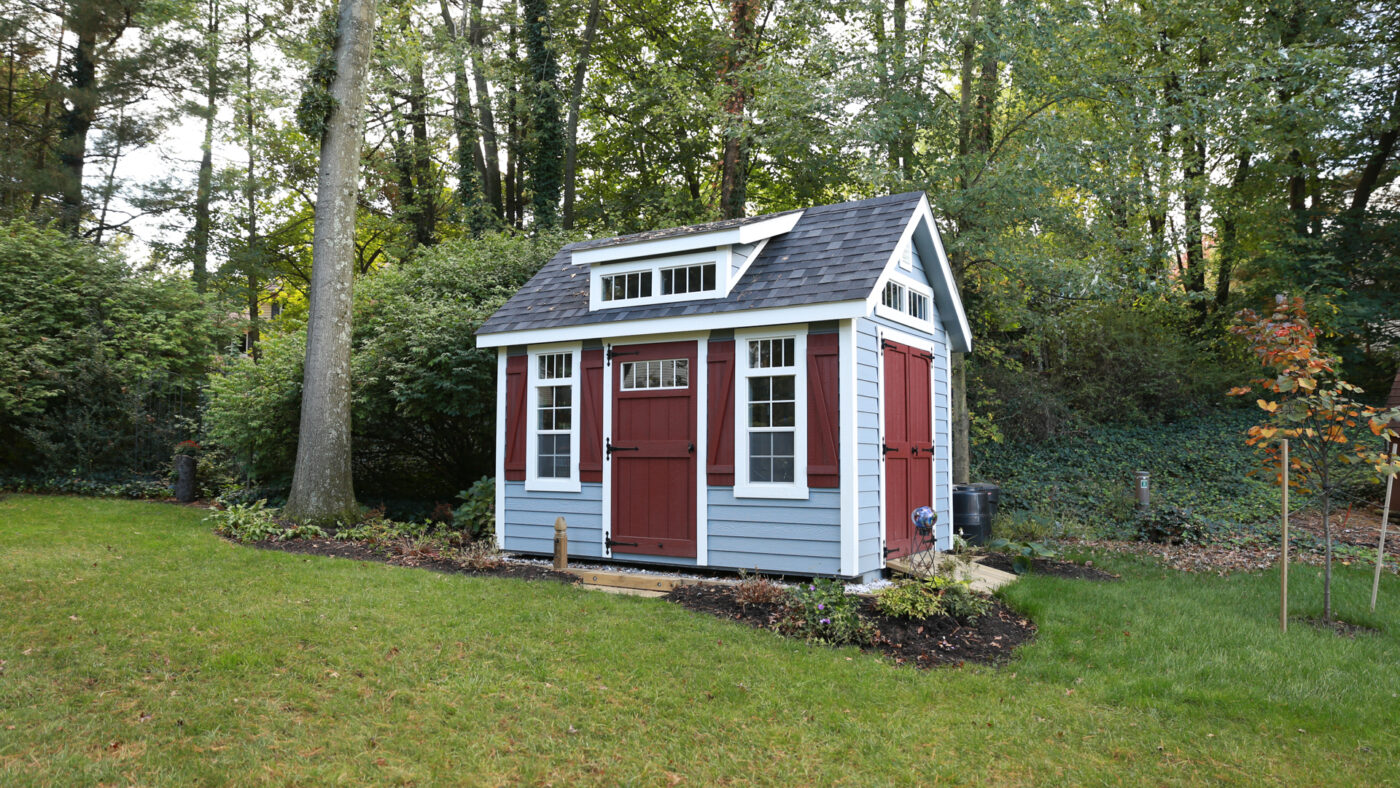
Yes, you likely need a permit for a shed in New York State, but it depends heavily on your specific town or city rules. Permits are often required for sheds over 100 to 144 square feet for sheds with electrical or plumbing, and for sheds that do not meet local zoning setback requirements, such as distance from property lines. Because requirements vary widely even for smaller sheds without utilities, you should always confirm the rules with your local building or zoning department before you build or schedule delivery.
Yes, in New York, you’ll almost always need a building permit and a separate electrical permit to run electricity to a shed. Electrical work typically requires permits and inspections to meet safety and code requirements, and doing it without permits can result in fines or insurance complications. That said, the exact rules can vary by your local municipality.
Yes, in New York you’ll likely need a floor plan and other construction or site drawings for a shed, especially if it exceeds a specific size (often around 120–200 sq ft), sits close to property lines, includes electrical or plumbing, or is in a flood zone. Since requirements differ by municipality, it’s important to check with your town’s building department for their specific rules on size limits, setbacks, and what documents you must submit.
You can add plenty of custom features to a shed in New York, from practical upgrades, like insulation, electrical wiring, workbenches, shelving, ramps, and even climate control, such as a mini-split for year-round use, to design touches like different siding or paint colors, shutters, flower boxes, cupolas, dormers, and porches to boost curb appeal.
Shed permit requirements can vary widely across cities in New York, depending on factors like shed size, location on the property, and whether you plan to add electricity or plumbing. Use the table below to quickly find your city and see the general permit and submission requirements. Since local rules can change, it’s always a good idea to confirm the details with your city or town building department before you build.
| Albany | Buildings & Regulatory Compliance |
| Amherst | Building |
| Auburn | Applications & Forms |
| Babylon | Building |
| Binghamton | Building Construction |
| Brookhaven | Building |
| Buffalo | Permit & Inspection |
| Cheektowaga | Building |
| Colonie | Building & Fire |
| Freeport | Building |
| Glen Cove | Building |
| Greece | Building |
| Greenburgh | Building |
| Hempstead | Building |
| Huntington | Building & Housing |
| Irondequoit | Building |
| Islip | Building |
| Ithaca | Building |
| Jamestown | Permits |
| Johnson City | Buildings & Codes |
| Kingston | Building Safety |
| New Rochelle | Building Permits |
| New York City | Building |
| Niagara Falls | Permits & Inspections |
| North Tonawanda | Building Inspector |
| Nyack | Building |
| Oneonta | Code Enforcement |
| Ossining | Building |
| Peekskill | Building |
| Poughkeepsie | Building |
| Ramapo | Building |
| Rochester | Buildings & Compliance |
| Rome | Code Enforcement |
| Saratoga Springs | Building |
| Schenectady | Building |
| Smithtown | Building |
| Spring Valley | Building |
| Syracuse | Central Permit Office |
| Utica | Building |
| Valley Stream | Building |
| Watertown | Permits |
| West Seneca | Code Enforcement |
| White Plains | Building |
| Yonkers | Housing & Buildings |
Yes, in most cases. Even “portable” sheds may require a permit if they exceed about 120–144 square feet, or if your local rules require permits for smaller structures. To avoid issues, always check with Albany Buildings & Regulatory Compliance before placing a portable shed on your property.
Yes, you’ll likely need a shed permit in Amherst, NY, since the town requires permits for detached accessory structures and charges fees based on square footage, even for smaller sheds, though it’s best to confirm the details with the Amherst Building Department for your specific project. In most cases, you’ll submit an application, include a property survey showing required setback distances often around 5 feet from property lines, with possible exceptions if fire-rated, and pay a fee of about $0.50 per square foot (minimum $75).
Yes, in Auburn, NY, you’ll likely need a building permit for a shed, especially if it’s over 144 sq. ft., and even smaller sheds must still comply with required setbacks. You may need to submit plans to the Auburn City Code Enforcement office, and specific rules and fees can apply based on your project. Since permits are required for most structures, it’s best to confirm the requirements with the City of Auburn Code Enforcement before you build.
Yes, you’ll likely need a permit for a shed in the Town of Babylon, NY, but it often depends on size and zoning. Sheds over 100 sq. ft. generally require a building permit and must meet specific setback rules, such as 10 feet from the sides and rear in Zones A and AA, while smaller sheds under 100 sq. ft. may be exempt if they meet size, height limits often under 10 feet, and setback requirements such as 2 feet from the sides and rear in Zones A and AA, and you only have one on the property. If the shed is within the Village of Babylon, a permit may not be required when it’s on the same lot as a home, but it still must be properly anchored and comply with New York State Code, so always confirm your exact requirements with the Babylon Building Department for your zone and situation.
Yes, you’ll generally need a building permit for a shed in Binghamton, NY, especially if it’s over 100 square feet, since the City of Binghamton generally requires permits for sheds above that size. You may need to submit an application, drawings, and the required fees, and you’ll also need to follow local setback rules, often around 3 to 5 feet from property lines. Because requirements can differ depending on whether you’re in the City of Binghamton or the surrounding Town, confirm the exact rules with Binghamton Building Construction & Code Enforcement for your address.
Yes, in the Town of Brookhaven, NY, you generally need a building permit for a shed if it’s larger than 144 square feet or if it won’t be located in the rear yard. Sheds that are 144 square feet or less and placed in the rear yard typically do not require a permit, but they still must meet setback rules, such as being at least 3 feet from property lines. Larger sheds, often up to 600 square feet and 12 feet high, usually require a permit along with plans and a property survey, and must comply with New York State Building Code requirements, including setbacks such as 5 feet from side and rear property lines.
Yes, you’ll generally need a permit for a shed in Buffalo, NY, if it’s over 144 square feet. Smaller sheds, such as tool sheds or playhouses, are often exempt, but larger structures typically require a building permit, which can include submitting plans, completing inspections, and following New York State Residential Building Code requirements for things like setbacks, structural details, and placement, often around 5 feet from property lines. To be sure you’re meeting the right standards for your property, confirm the exact requirements with Buffalo’s Building Permit office.
Yes, in Cheektowaga, NY, you’ll generally need a permit for a shed, especially if it’s over 144 sq. ft., which typically requires a full building permit and compliance with New York State code. Even smaller sheds may require approval, since permits are often required for the erection, construction, removal, or enlargement of structures, and you’ll also need to follow local setback rules and, in some cases, pursue a zoning variance for certain locations. To confirm what applies to your property, contact the Cheektowaga Building Department for the exact requirements.
Yes, you almost certainly need building and zoning permits for a shed in the Town of Colonie, NY, since local codes apply to new construction, alterations, and accessory structures, including pre-fabricated sheds. Permits are generally required regardless of shed size, and you’ll need to follow the town’s setback and placement rules. In most cases, you’ll submit an application along with a site plan showing the shed’s location and required setbacks, plus any required construction details or drawings to the Town of Colonie Building and Fire Services.
Yes, you need a shed permit in Freeport, NY. The Village of Freeport requires an approved permit application for structural work and typically requires two sets of signed and sealed architectural drawings. In addition, any construction, plumbing, or electrical work must be permitted through the Building Department and must comply with the New York State Uniform Fire Prevention and Building Code as well as all applicable Village of Freeport Codes.
Yes, in Glen Cove, NY, you generally need a building permit for a shed, especially if it’s over 100 square feet or it isn’t a small, temporary structure. The city’s rules commonly treat sheds and other accessory structures as permit-required, and you’ll also need to meet zoning standards for placement and setbacks. To avoid issues, confirm the exact size limits and requirements with the Glen Cove Building Department, since rules can vary by location and project details.
Yes, you almost certainly need a permit for a shed in Greece, NY, since the town typically requires permits for most accessory structures, including sheds and even replacements. Requirements often depend on the shed’s size and location, with additional restrictions for larger sheds, such as those over 200 square feet, and you’ll need to follow setback rules from property lines. In most cases, you must submit plans and a property survey map with the required details to the Town of Greece Building Department for approval.
Yes, you need a shed permit in Greenburgh, NY, because all shed sizes require a building permit. Greenburgh allows only one shed per lot, and it must be placed in the rear yard. The shed cannot exceed 150 square feet or 10 feet in height; sheds 100 square feet or less must be at least 3 feet from property lines, while sheds over 100 square feet up to 150 square feet must be at least 5 feet from the rear and side property lines.
Yes, in the Town of Hempstead, NY, you generally need a permit for a shed, even for smaller structures, since local rules are fairly strict and many sheds fall under permit requirements. There may be limited exceptions for very small sheds, such as those under 52 cubic feet and about 72 inches high, depending on where they’re placed, but the details can vary by property and zoning. To be sure you’re following the correct size and placement rules, confirm the current requirements with the Town of Hempstead Building Department before you start.
Yes, you’ll generally need a permit for a shed in Huntington, NY, especially if it’s over 100 square feet or if you’re adding a second shed on the property. Sheds over 144 square feet often face stricter requirements, including a 5-foot setback and compliance with New York State code, while smaller sheds may be exempt if they meet the town’s size and placement rules. Since details can vary by location and zoning, confirm the exact requirements with the Town of Huntington before you build.
Yes, you generally need a permit for a shed in Irondequoit, NY, since the town’s regulations require permits for sheds and many other accessory structures. Most projects require an application with supporting documents such as a site plan or survey map, basic drawings, and compliance with local setback and lot coverage rules, with additional requirements often applying for larger sheds, such as those over 144 sq. ft. Because smaller sheds can sometimes fall under different standards depending on their type and placement, it’s best to confirm the exact requirements and fees with the Irondequoit Building Department before you build.
Yes, in the Town of Islip, NY, you’ll likely need a shed permit if the shed exceeds 144 sq. ft., includes electrical or plumbing, is over 8 feet high from grade, isn’t used strictly for storage, or if you already have another shed on the property. A permit-free shed may be allowed when it’s under 144 sq. ft., used only for storage, meets the height limit, has no utilities, and you have only one shed. Since zoning and property-specific rules can be strict, confirm the exact requirements with the Town of Islip Building Division before building.
Yes, you’ll need a permit for a shed in Ithaca, NY, especially if it’s over 144 sq. ft. or includes electrical or plumbing. Requirements can differ depending on whether you’re in the City of Ithaca or the Town of Ithaca, since each jurisdiction has its own code and review process for size, placement, and inspections. To get the exact rules for your address, check with the appropriate Code Enforcement office before you build.
Yes, you’ll generally need a permit for a shed in Jamestown, NY, since the city requires permits for most new structures and related building work. Requirements can vary based on the shed’s size and how close it is to property lines, so you should contact the City of Jamestown Building Inspector or Code Enforcement to confirm the exact rules and application steps. While a 144 sq. ft. guideline is often referenced at the state level, Jamestown’s local zoning and permitting rules can be stricter and may still require a permit even for smaller sheds.
Yes, in Johnson City, NY, you need a permit for a shed if it’s over 144 square feet. Smaller sheds under 144 square feet used strictly for storage at a one- or two-family home are typically exempt, but they still must meet setback requirements and are generally required to be located in the rear yard. To confirm the exact setback distances and any additional rules for your property, check with the Johnson City Building and Codes Department.
Yes, you’ll generally need a shed permit in Kingston, NY, especially if the shed is over 144 sq. ft. Even smaller sheds must still comply with zoning and setback requirements, which can include keeping a set distance from property lines and other buildings, often around 5 to 10 feet, depending on the location. To avoid fines or having to move or remove the shed, confirm the exact rules with the Kingston Code Enforcement Office before you build.
Yes, you’ll likely need a permit for a shed in New Rochelle, NY, since permits are required for many structures and accessory buildings. Sheds over 144 sq. ft. commonly require a permit, and even smaller sheds still must follow local zoning rules for placement and setbacks. For the most accurate requirements for your address, check with the New Rochelle Building Department, and remember that any electrical or plumbing work typically requires separate permits.
Yes, a shed in New York City often requires approval, particularly if it’s larger than about 120 square feet, intended to stay in place, or positioned close to lot boundaries. The city’s rules are typically more stringent than many other parts of the state, and they include limits such as a maximum height of 7 feet 6 inches and restrictions on anchoring it as a permanent structure. If the shed uses combustible materials, you’ll also need to maintain at least 3 feet of separation from the property line.
Yes, you’ll need a permit for a shed in Niagara Falls, NY, particularly if it’s larger than about 100 to 144 sq. ft. or if you plan to add electrical service. Rules can change based on the shed’s size and where it will sit on your lot, and a zoning review is commonly required to confirm setback compliance. To get the exact requirements for your address, contact the Niagara Falls Code Enforcement Department before building.
Yes, in the City of North Tonawanda, NY, a shed typically requires a building permit, especially when it exceeds about 120 to 144 square feet. You’ll also need to follow local placement rules, including required distances from property lines and your home, which can range from roughly 3 to 10 feet depending on the situation. For the exact standards for your address, contact the North Tonawanda Building Inspector’s office at 695-8595 before you build.
Yes, you’ll generally need a permit for a shed in Nyack, NY, since the village often requires approval for accessory structures. The exact cutoff can vary by local rules and interpretation, with some guidance suggesting exemptions under about 100 square feet and other references using about 120 square feet, and any electrical or plumbing work typically triggers permitting. Plan to submit a property survey showing setbacks and provide basic shed details, and confirm the current requirements with the Village of Nyack Building Department before you start.
Yes, a permit is often required for a shed in Oneonta, NY, because local regulations in both the City and Town typically treat new accessory buildings as permitable work. The decision usually depends on the shed’s dimensions, where it will be placed, and whether it connects to the primary structure, so it’s important to verify the requirements with the Oneonta Code Enforcement Office. Even when a shed falls under the commonly cited 144 sq. ft. exemption, Oneonta’s zoning rules, setback standards, and potential site plan review can still require approvals for smaller projects.
Yes, a shed permit is often required in Ossining, NY, since approvals are needed for many new accessory structures. In the Village of Ossining, a one-story accessory building up to 144 sq. ft. may be allowed without a permit, while the Town of Ossining generally requires permits for sheds of any size. Because the rules depend on whether your property is in the Village or the Town, confirm your jurisdiction first, and keep in mind that sheds over 144 sq. ft. almost always require a permit and must meet New York State code.
Yes, you may need a shed permit in Peekskill, NY, because the City specifically lists sheds as an improvement that requires a permit; however, only the Building Inspector can determine whether a permit is required for your specific shed, so if you’re in doubt you should contact the Building Inspector before starting work, since the City states penalties may be imposed for building a shed without the appropriate permit or for legalizing a shed built without one.
Yes, you’ll probably need a shed permit in Poughkeepsie, NY. Permits are commonly required for sheds larger than 144 square feet or for any shed that includes electrical or plumbing. Still, you should confirm the exact requirements with the Town or City of Poughkeepsie Building Department, since rules can vary by jurisdiction and may depend on shed size, the type of foundation, such as a concrete slab, and required zoning setbacks, like keeping the shed about five feet from property lines.
Yes, in Ramapo, NY, you will likely need a permit for a shed because permits are commonly required for accessory structures, particularly if the shed is larger than roughly 100 to 144 square feet, placed on a foundation, or located in more regulated areas such as corner lots, so you should contact the Town of Ramapo Building Department to confirm the exact requirements based on your shed’s size, placement, and foundation type; while some smaller, temporary sheds may be exempt, Ramapo’s zoning rules and the New York State Building Code often require permits for larger or permanent sheds, including compliance with setback and lot coverage requirements.
Yes, In Rochester, NY, sheds larger than 144 square feet require a permit, while smaller sheds generally need a Certificate of Zoning Compliance. All sheds must still comply with setback rules and the 15-foot height limit, so it’s best to contact the City’s Building Permits office to confirm zoning and code requirements before starting your project.
Yes, in Rome, NY, you generally need a permit for a shed. Structures under 144 sq. ft. typically don’t have a permit fee, while sheds over 144 sq. ft. require a paid permit and must comply with the New York State Building Code. Regardless of size, all accessory structures must be approved through the City of Rome’s Code Enforcement office before construction to confirm they meet local zoning and building requirements.
Yes, in Saratoga Springs, NY, you generally need a building permit for a shed over 144 square feet. You should still verify local zoning requirements, especially setbacks, and ensure full compliance, particularly if the shed will include electrical or plumbing. Plans and a permit application must be submitted to the City of Saratoga Building Department before construction begins.
Yes, you’ll probably need a shed permit in Schenectady, NY, particularly if it’s larger than 144 sq. ft., has electric or plumbing, or is being placed on a permanent foundation. Since local standards for height, setbacks, overall size, and historic district locations may be stricter than the state’s minimum requirements, you should verify the specifics with the Schenectady Building Department. You may also need to provide detailed plans and schedule inspections to confirm the project meets code.
Yes, in Smithtown, NY, you will probably need a shed permit, particularly if the shed is larger than 144 sq. ft. or taller than 12 feet. All sheds must also follow local setback and zoning requirements, and any accessory structure over 50 sq. ft. generally requires approval. Before you start construction, confirm the rules for your shed’s exact size and placement with the Town’s Building Department.
Yes, you’ll likely need a shed permit in Spring Valley, NY, since permits are generally required for new accessory structures. You may be exempt if it’s a small, detached storage shed under 144 sq. ft., but local requirements can differ. To be sure, contact the Village of Spring Valley Building Department to verify the rules for your shed’s size, location, placement, and setback requirements.
Yes, in Syracuse, NY, a permit is typically required for many types of construction work, including adding a shed or other detached accessory structure, to confirm it meets local zoning rules and safety standards. Although some smaller sheds under 144 sq. ft. may be exempt in certain areas of New York State, it’s strongly advised to verify the requirements with the City of Syracuse Central Permit Office before you begin.
In Utica, NY, you typically don’t need a building permit for a detached tool/storage shed, playhouse, or similar structure if it’s 144 square feet or smaller. A permit is generally required if the structure is larger than 144 square feet or if it’s in a special or historic district.
Yes, in the Village of Valley Stream, NY, you will usually need a building permit for accessory structures such as sheds, so the project meets applicable building code requirements. Although some municipalities may exempt very small sheds, Valley Stream often still requires prior approval for these types of additions or structural work. Before installing a shed, check with the Building Department to verify the exact setback and any size or placement rules that apply to your property.
Yes, in Watertown, NY, a building permit is generally required to construct or install any structure, including a shed. Even though some New York jurisdictions may exempt very small, one-story detached accessory buildings under 144 square feet, you should confirm with Watertown’s Code Enforcement Bureau to ensure full compliance before you begin.
Yes, in the Town of West Seneca, NY, all sheds require a building permit. Sheds must be located in the rear yard and cannot be built on an easement. A property survey is needed with the permit application, and the permit fee is based on the shed’s construction cost.
Yes, in White Plains, NY, a building permit is generally required for most construction work, including sheds, to ensure the project meets local zoning requirements and the New York State Building Code. While some small or temporary structures may sometimes be exempt, you should confirm the specific rules with the City of White Plains Building Department to avoid potential violations or fines.
Yes, in Yonkers, NY, you typically need approval to install a shed. Sheds 8′ × 10′ or smaller generally require a letter permit, while larger sheds (up to 11′ × 12′) usually require a building permit. Sheds must be located in a side or rear yard and commonly need at least a 5-foot setback from property lines.
To confirm your shed permit requirements, check the table below. It will help you identify the correct local building or code enforcement office for your county. Once you find your county’s listing, contact that office to verify permit, zoning, and setback rules before you build.
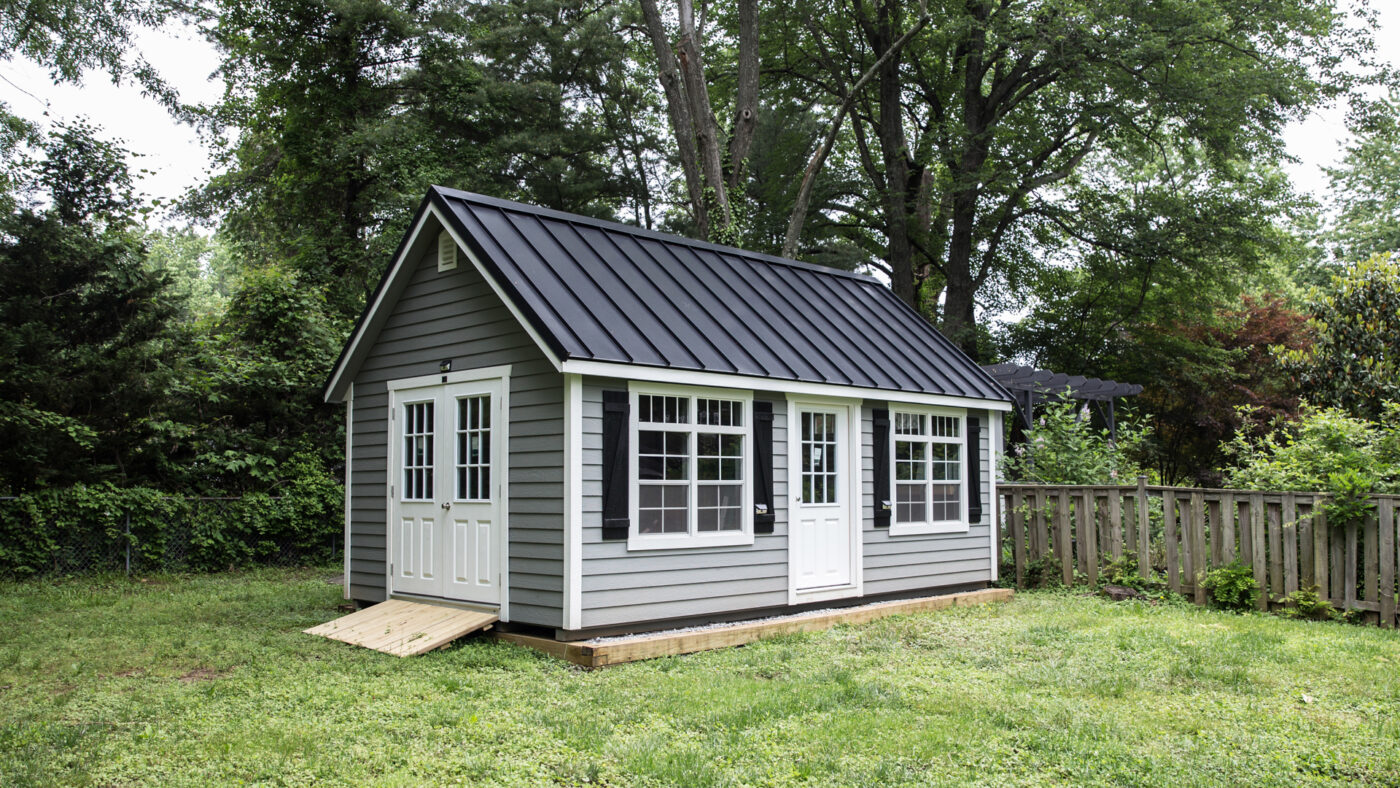
Choose a storage shed that suits your space, matches your style, and works for how you use your yard. Our sheds are built with compliance in mind, and can be configured to align with typical local standards for dimensions, height limits, and placement. Select from a range of designs, sizes, and upgrades, such as windows, lofts, ramps, and heavy-duty doors, to fit your needs and your home. Before delivery or installation, it’s smart to verify permit and setback requirements with your local office so your shed is set up for smooth approval and long-term use.
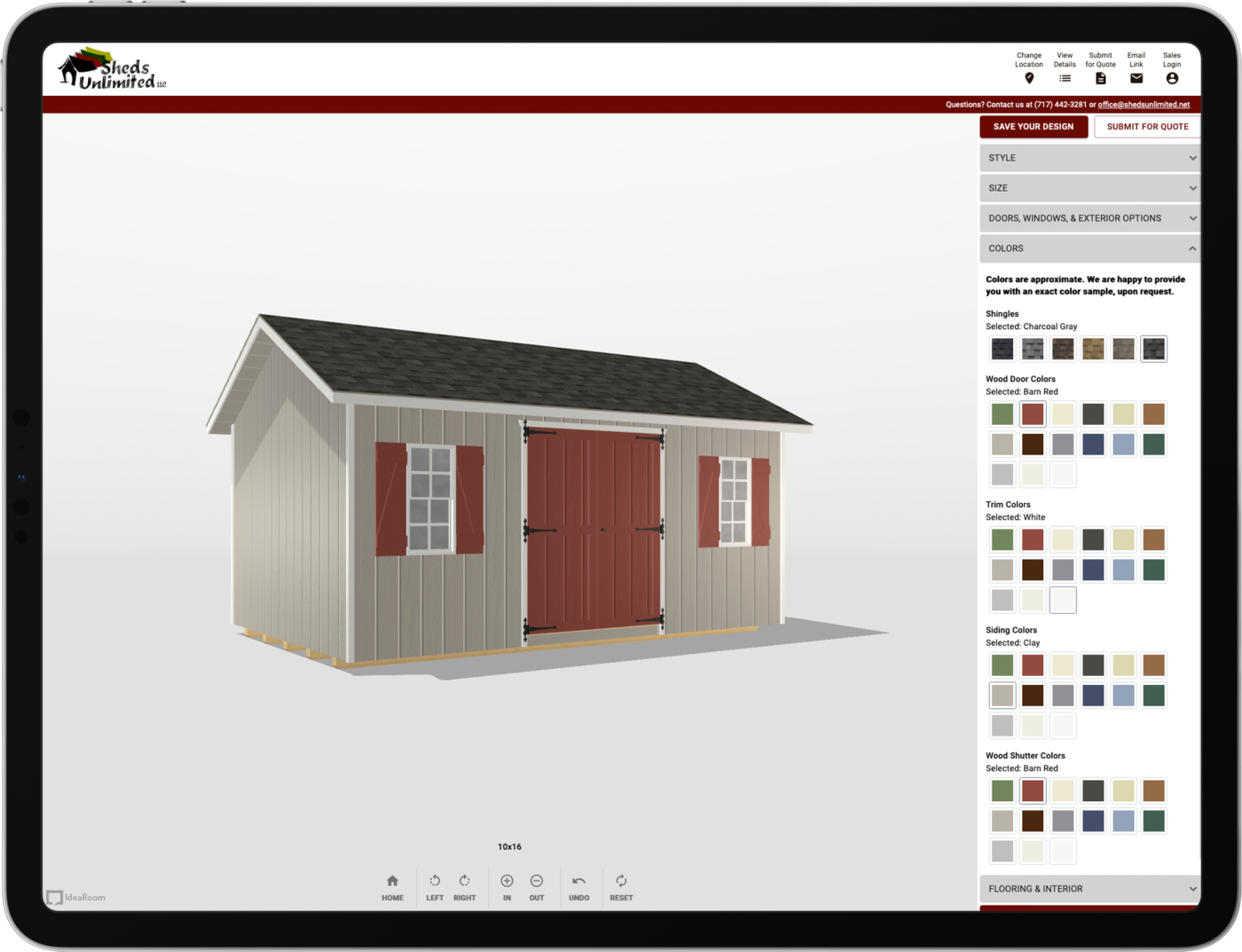
Create the building of your dreams by customizing a design in 3D. You can also call us at 717-442-3281. We're here to assist you!
testimonials
See what our past customers have to say about us! (You can also check our third-party Google reviews and Facebook reviews.)